

Building the Bike, Building the Mind: Lessons in Patience and Practice
Regular readers already know this about us: we love our bicycles! In The Rhythm Between Two Wheels, we already wrote about why - the planning, the sense of freedom, the effort that turns into pleasure, the health of it, the landscapes at just the right speed, the music or the silence, the road, the destination. Biking became a style of life.
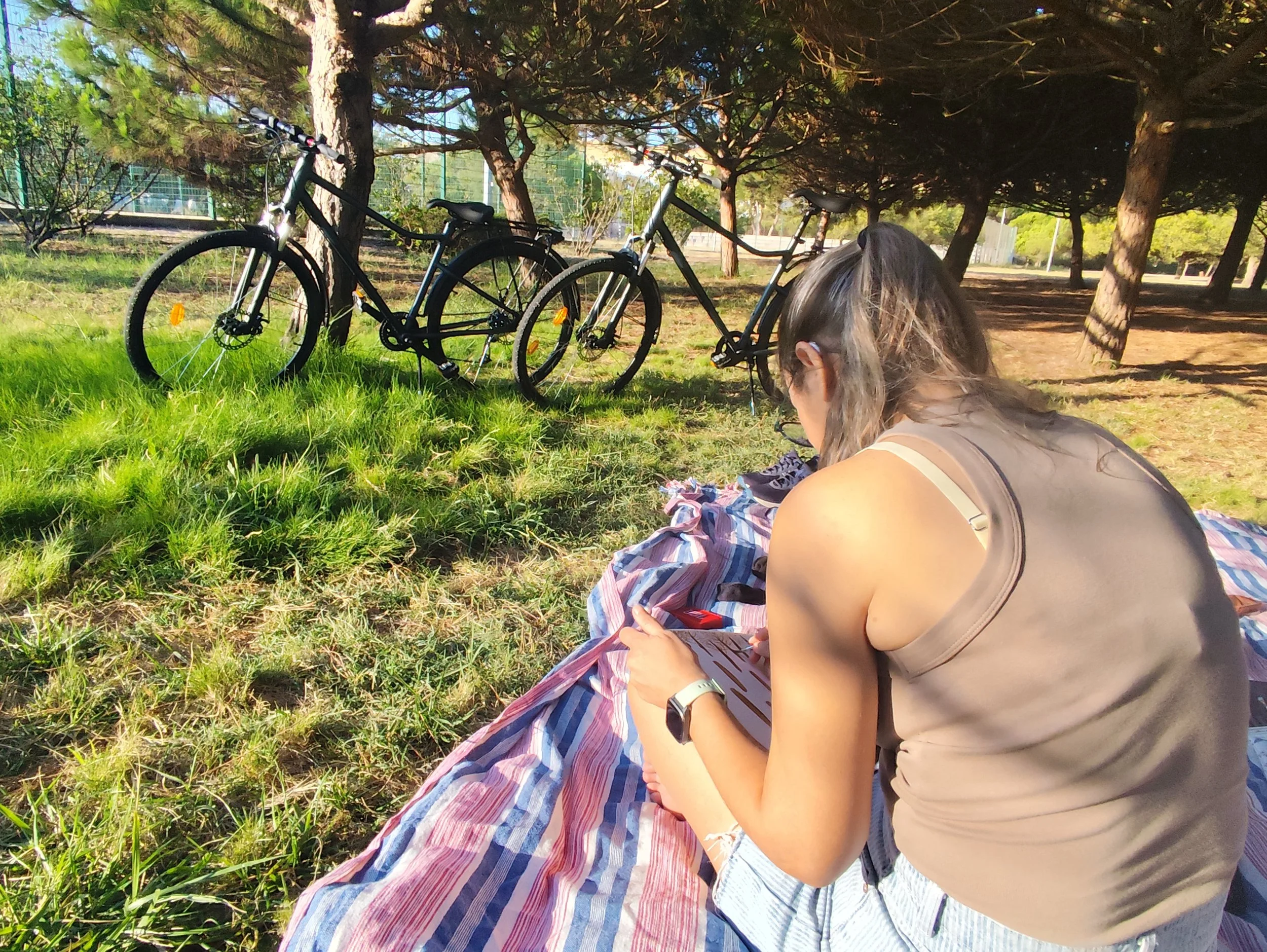
What I haven't written about is the six months in Portugal we spent without any bicycles at all. This isn't the place for the technical details of how that happened. What matters more is that during those months, we were quietly working through a good deal of frustration - the kind that comes from a situation with no available solution. We had sold our previous bicycles before the move, and for a long stretch afterward, nothing we tried could bring new ones into our life here. The closest thing to a compromise on the table was a pair of folding bicycles - practical, certainly, but exactly the kind that would have quietly erased most of what we actually love about riding.
Eventually, a change of circumstances did yield a solution! Getting again the same bike we always had, but this time to build it again, while replacing virtually all parts to adjust our needs. Nothing too fancy, just a bit of creativity!
After a long wait, one of the bicycles finally arrived. Chaya and I have been riding seriously, and often, for about a decade now. In all that time, neither of us had ever really needed to understand how a bicycle actually works. The first frame that came out of the box became my university. Over the following two days I learned, piece by piece and mistake by mistake, how a handlebar attaches, how pedals thread on, how to mount a front light and a rear light, a pannier rack, a mudguard, grips. I still have the cuts and bruises from that war to prove it.
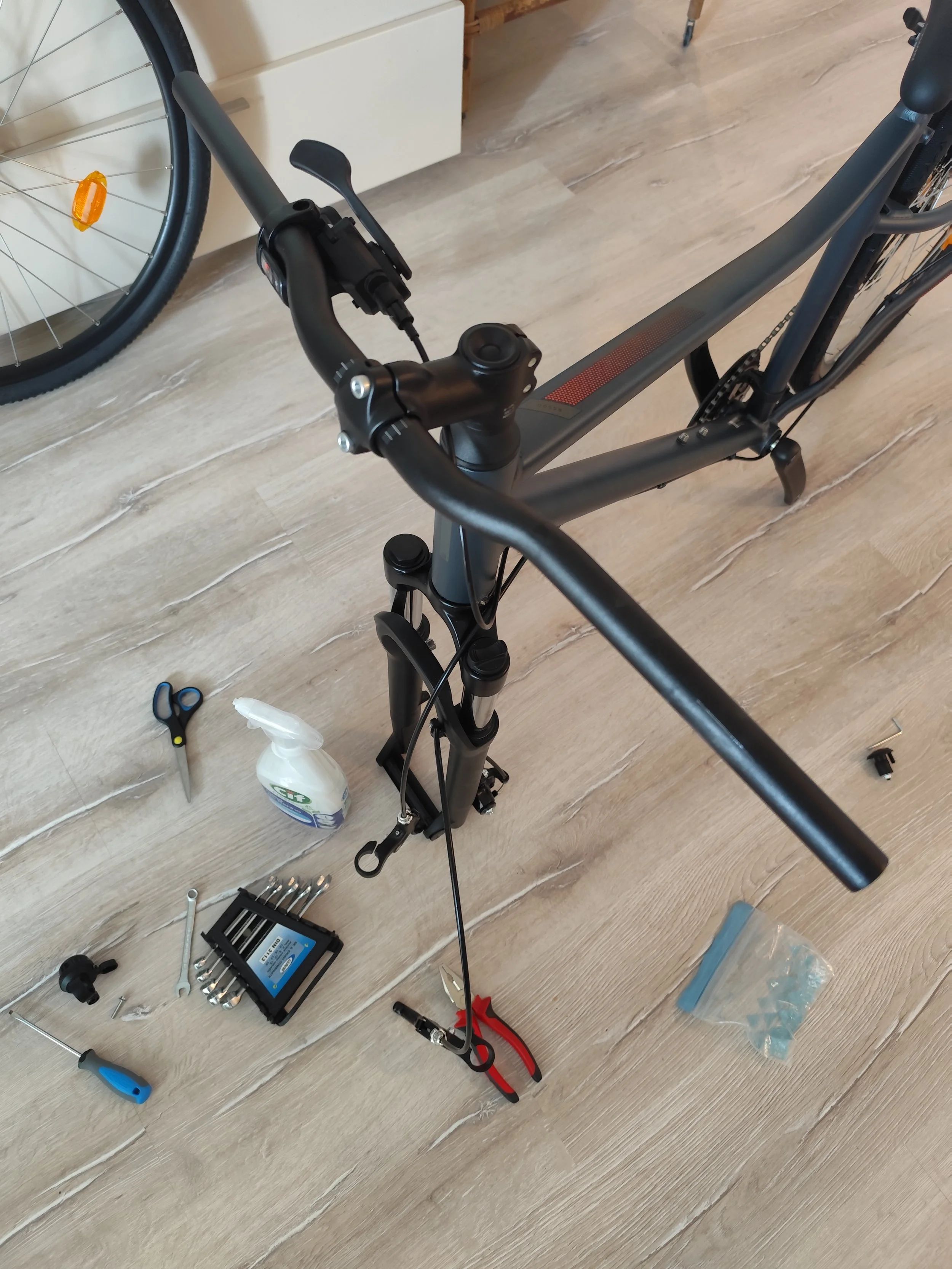
There were real moments of despair in there. The thought kept surfacing that the whole plan had been a mistake - that I was never going to turn into a bicycle mechanic out of nothing, no matter how many videos I rewatched or bolts I re-tightened. But underneath the frustration, something else was happening too. I kept coming back to what I was actually working toward - her riding this, and soon. That was enough to keep my hands moving carefully instead of forcing anything out of impatience - enough to protect the frame from the very frustration that wanted to take itself out on it. And somewhere in the middle of all that struggle, I noticed that I was actually learning. Not just suffering through instruction sheets, but building real, transferable knowledge that our life on two wheels would keep needing long after that particular week was over.
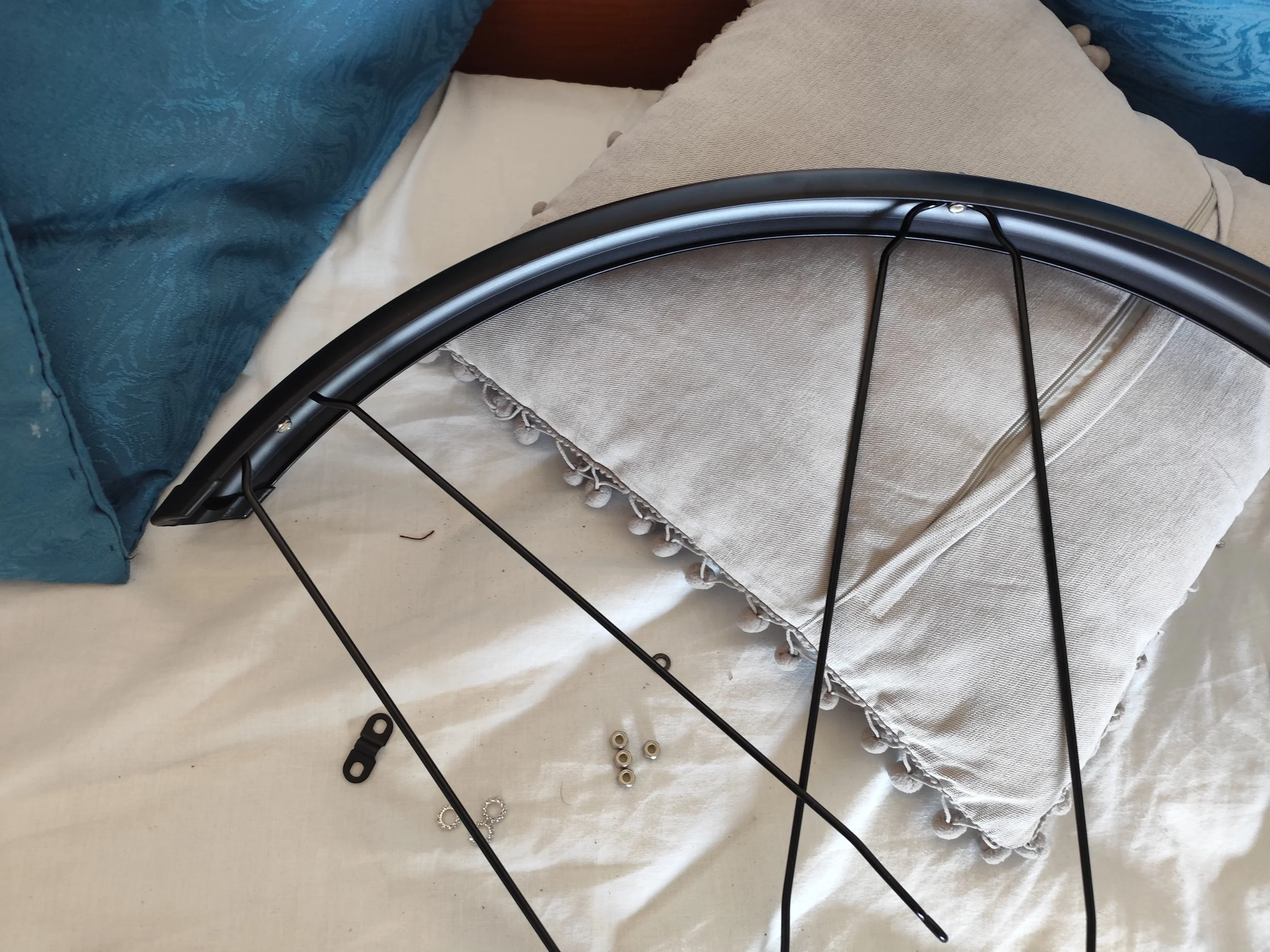
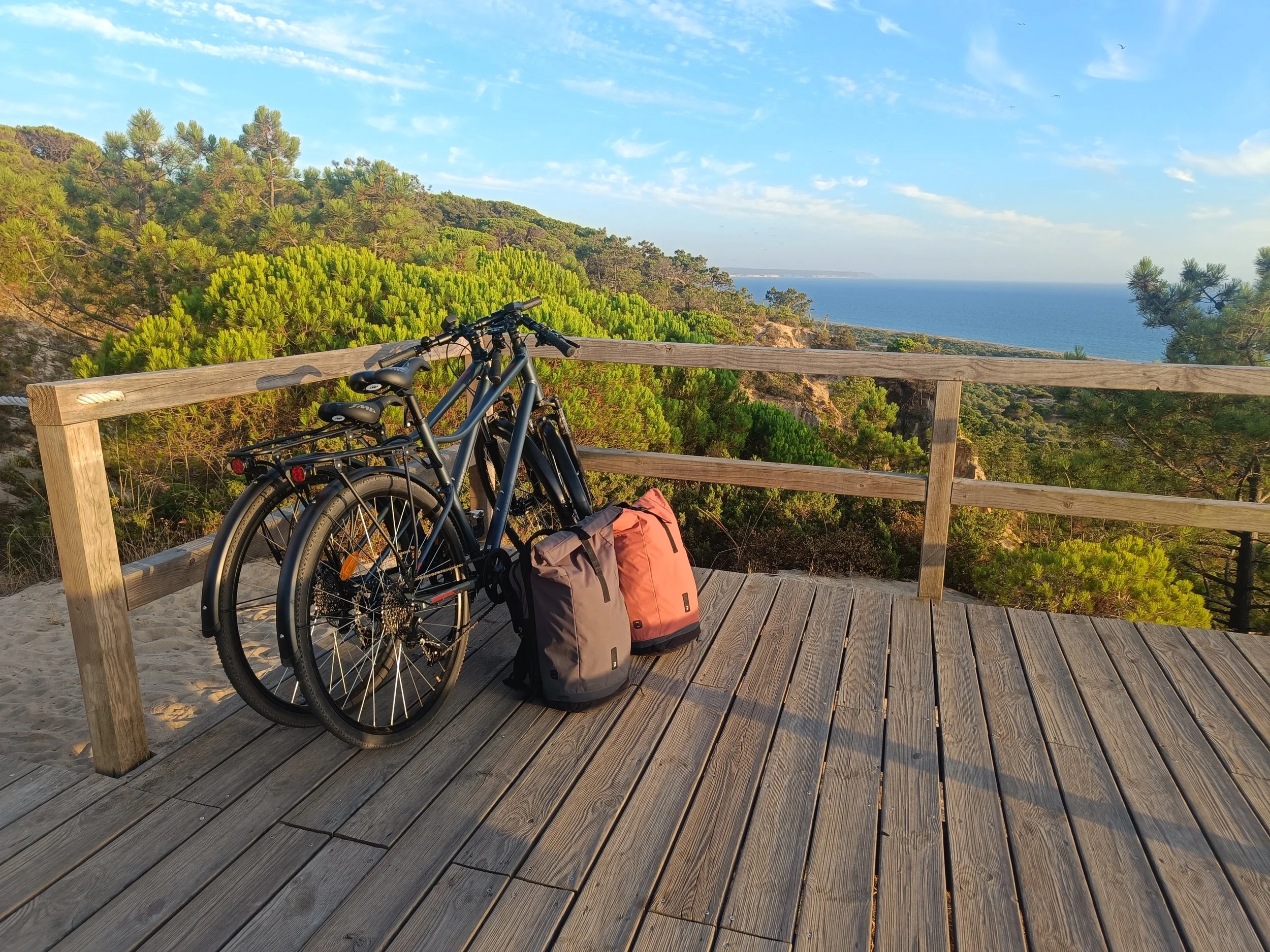
By the final stages, the first bicycle still wasn't perfect - the seat wouldn't quite sit right, something still creaked with every third pedal stroke - but it reached its finish: fully built, fully rideable. Then the second frame arrived, and within about an hour and a half I found myself at almost exactly that same finish line it had taken two full days to reach the first time. The difference in ease was almost dizzying. Both bicycles done, we took them out together for a first test ride - and that's when the creaks and small misalignments actually showed up: not signs that the build was incomplete, but the ordinary tuning any new bike needs once it meets the road. There's a particular kind of pride in getting on a bicycle you built with your own, still-healing hands, and looking over to see her riding the one you built for her.
It was never really about becoming a mechanic. It was a small, physical lesson in something we talk about often in coaching: that willingness to sit inside a difficulty - without rushing it, without abandoning it, without needing to already be good at it - is usually the only real road toward a different relationship with that difficulty. The knowledge came later. The willingness had to come first.
If any of this sounds familiar - a stuck situation of your own that doesn't yet have a clean solution - we'd be glad to talk. A free introductory conversation is always open.
