The Architecture of the Impossible
We grow up believing that every problem has a solution. That with enough willpower or determination, we can bend life to our desires. But life, in its quiet honesty, often presents us with something else entirely: the architecture of the impossible.
A long time ago, when I was a young graduate student juggling two jobs and final exams, I packed a small bag and set off on my first solo trip—to Italy, of course. It was a time when international calls were still a luxury, and so I found myself wrapped in a rare kind of solitude, wandering through one of the most delicious places in the world.
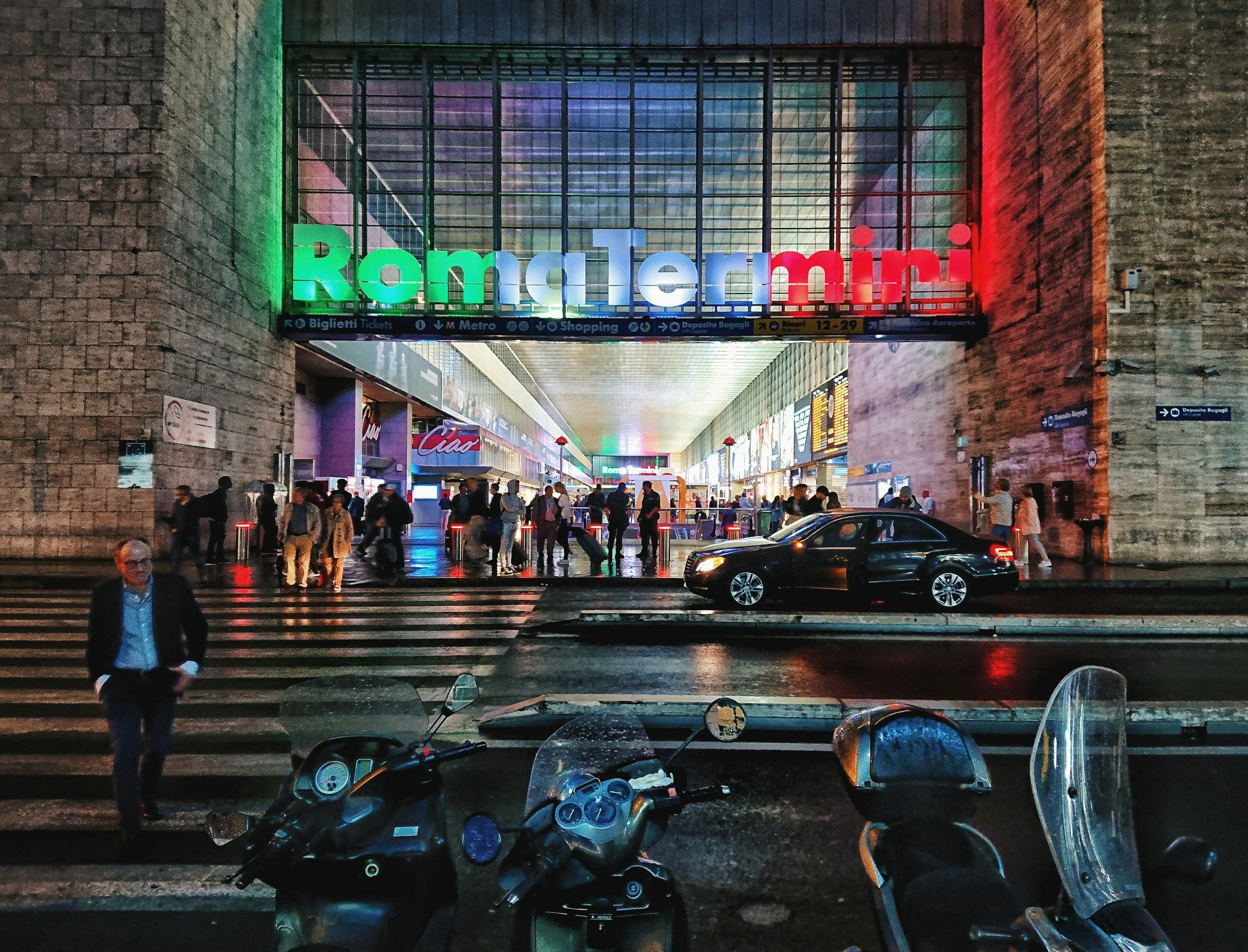
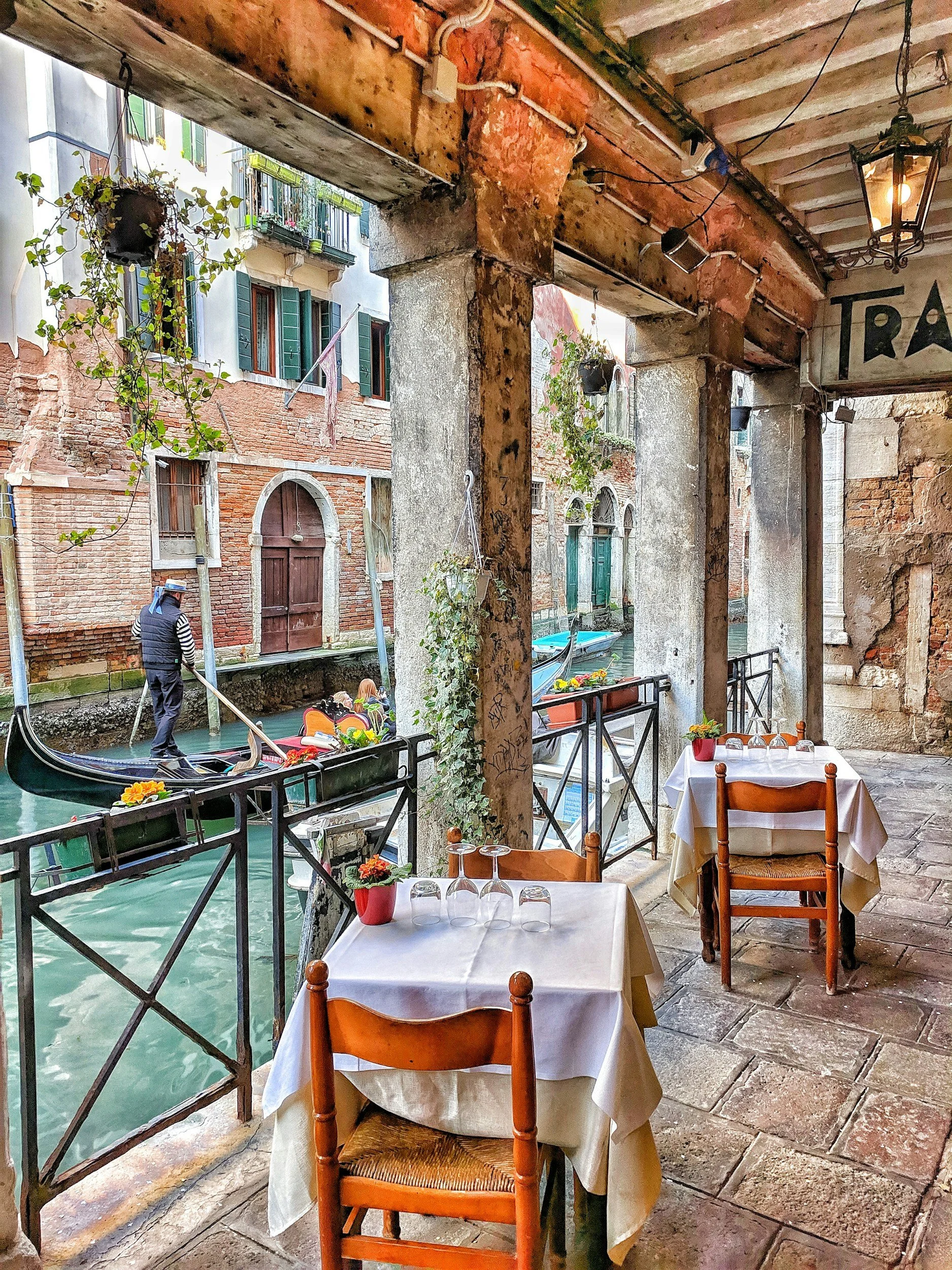
Italy welcomed me with a warmth I hadn’t expected. I remember arriving in Rome near midnight to find my host—a tall, spindly man who looked like a modern-day Geppetto—standing in the street with his son and a tiny white dog, waving and calling my name as if I were family. The next morning, when I stepped out of my modest apartment, men and women of all ages greeted me with cheerful buongiorno! as if it were the most natural thing in the world. I felt the overwhelming scale of the Vatican, got lost in the sun‑drenched alleys of Siena, and drifted through the surreal water‑streets of Venice on the Vaporetto. By the time I reached Mestre—a quiet sleep‑over town for people visiting Venice—I was full of movement, of beauty, of a kind of freedom I had never tasted before.
My host in Mestre was a woman of immense grace, tending to a villa far grander than anything my student budget deserved. Our first meeting was already unexpectedly moving: I arrived far later than planned, close to midnight, exhausted and embarrassed, certain I was disturbing her. But she greeted me at the door with a kind of quiet excitement — as if welcoming a long‑awaited guest rather than a stranger who had shown up at an unreasonable hour. She led me through the dimly lit villa to a room that felt almost regal compared to the places I could usually afford, making sure I had everything I needed before wishing me a gentle goodnight.
On my last day, she walked me to the gate. I spoke with the scattered excitement of a young traveler, describing Rome, Florence, Siena — assuming she had heard it all before from countless tourists.
But as I spoke, her eyes grew luminous.
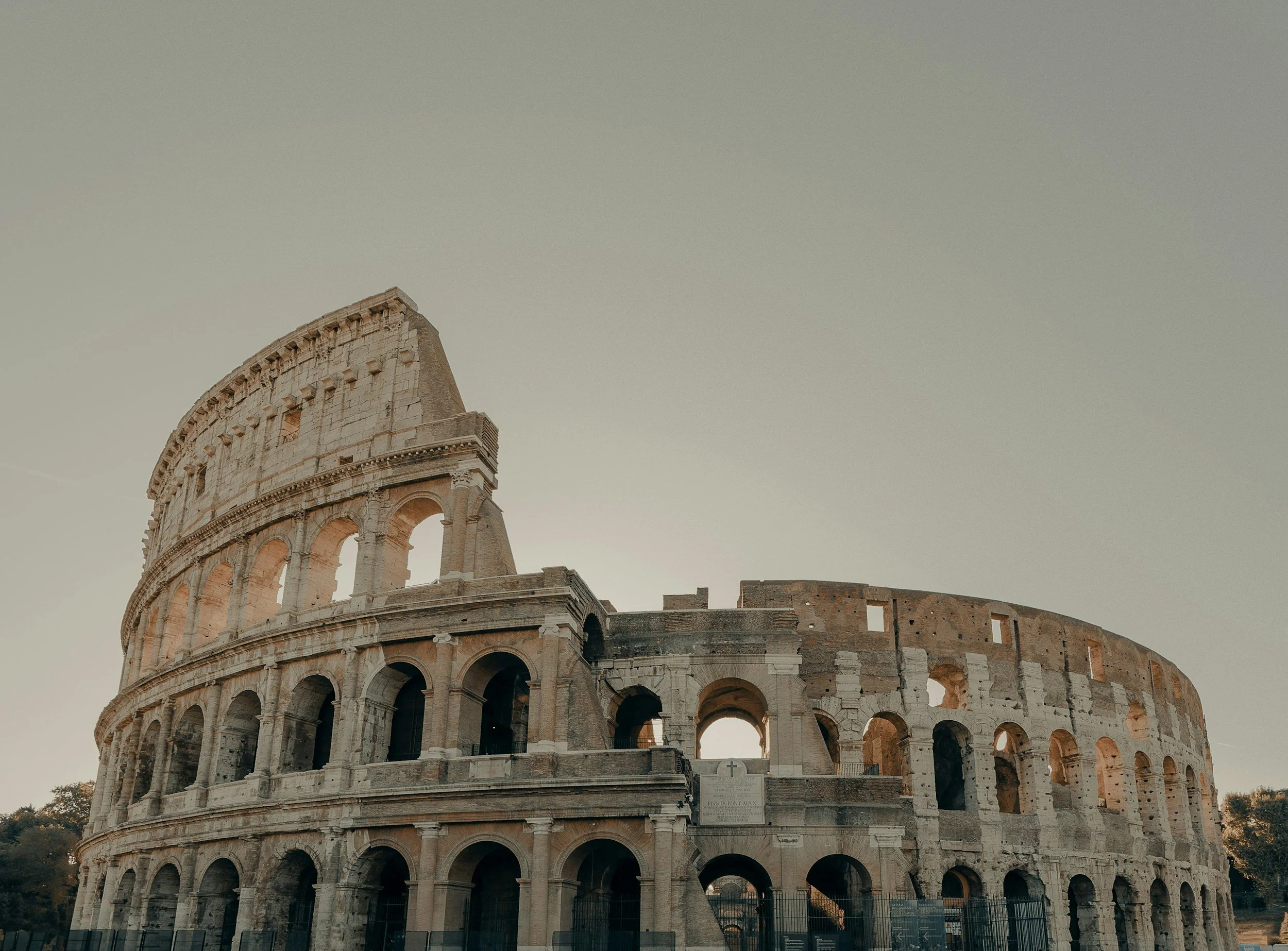
“It is my greatest dream,” she whispered, “to see the Colosseum with my own eyes.”
I was stunned. “But it’s just a train ride away,” I said. “You could go tomorrow!”
She looked at me with a quiet, heavy sadness. She couldn’t leave. The financial weight, the responsibilities of the guesthouse—her life was built in such a way that stepping away, even for a day, felt impossible.
Back then, Back then, I didn’t know her well enough to offer a perspective. I only felt a deep sadness for her. And I wondered: was it truly impossible, or was she held in place by a thought so tight she couldn’t see past it?
Years later, with the experience I have now, I can see the difference between her situation and mine. My own trip had been difficult—logistically messy, financially stressful, academically risky. But it wasn’t impossible. Her dream, at least at that moment in her life, might have been.
If she were sitting in my office today, I would meet her story with the tools ACT offers—not to fix the unfixable, but to soften the struggle around it.
First, I would ask whether the thought “I cannot leave” was causing suffering. Not whether it was true, not whether it was logical—only whether it was tightening something inside her. In ACT, we might begin by noticing the pain that comes from holding a thought too tightly, from treating it as an absolute rather than as a momentary inner event. I would want to understand how this thought shaped her days, her choices, her sense of possibility.
Second, I would explore the thought’s truth—not to argue with her, but to gently examine its edges. Is it impossible under every circumstance? At every age? In every version of her life? This isn’t about proving her wrong; it’s about loosening the grip of certainty. Sometimes a thought that feels like a wall is, upon closer look, a door we’ve never tried to open. And sometimes it really is a wall. ACT makes room for both.
And third, I would offer a different perspective—not as someone wiser, but simply as someone else. Another human being with a different history, different constraints, different blind spots and possibilities. From where I sit, I might see a detail she overlooked, a resource she didn’t know she had, or a creative angle that hadn’t occurred to her. Not because I’m above her story, but because I’m outside it. Two people looking at the same landscape rarely see the same thing.
But sometimes the answer really is no. Sometimes life presents us with a structure that cannot be rearranged.
Consider someone who receives a once‑in‑a‑lifetime job offer—one that would define their career—but the role demands constant travel and long hours, making it incompatible with the fertility treatments they have been pursuing for years. Two dreams, equally sacred, cannot coexist. Choosing one means losing the other.
Or imagine a person whose doctor insists they must rest for several weeks, just as their team at work enters a critical phase. Resting protects their health; showing up protects their sense of responsibility and belonging. Either way, something important is left unattended.
Or imagine a couple deeply in love, yet pulled apart by geography: one rooted in the Netherlands, the other whose specialized career—and sense of purpose—can exist only in Canada. Not the postcard version of long‑distance love, but the slow, practical unraveling that happens when two lives grow in different soils.
For one of them, the Netherlands isn’t just an address. It’s the language they dream in, the bike they’ve ridden since childhood, the café where the barista knows their order, the friends who drop by unannounced. It’s the rhythm of a life that fits like a well‑worn coat.
For the other, Canada isn’t a romantic adventure. It’s the only place where their work makes sense — where their field exists, where their skills matter, where they feel competent and alive. Staying in Europe would mean shrinking professionally, becoming a smaller version of themselves.
So what do they choose? To move is not simply to relocate; it is to shed a layer of identity. To stay is not simply to stay; it is to abandon a future that feels like theirs.
There is no villain here, no wrong decision, no tidy compromise. Just two good lives that cannot fully coexist in one place.

ACT invites us to stop the exhausting search for a perfect answer where none exists. Instead, it asks us to turn toward the loss—to acknowledge it, to grieve it, and to uncover the values hidden inside the dream. Perhaps the woman in Mestre longed not only for the Colosseum, but for beauty, history, or a moment of wonder. Those values can still be fed, even if the dream itself remains out of reach.
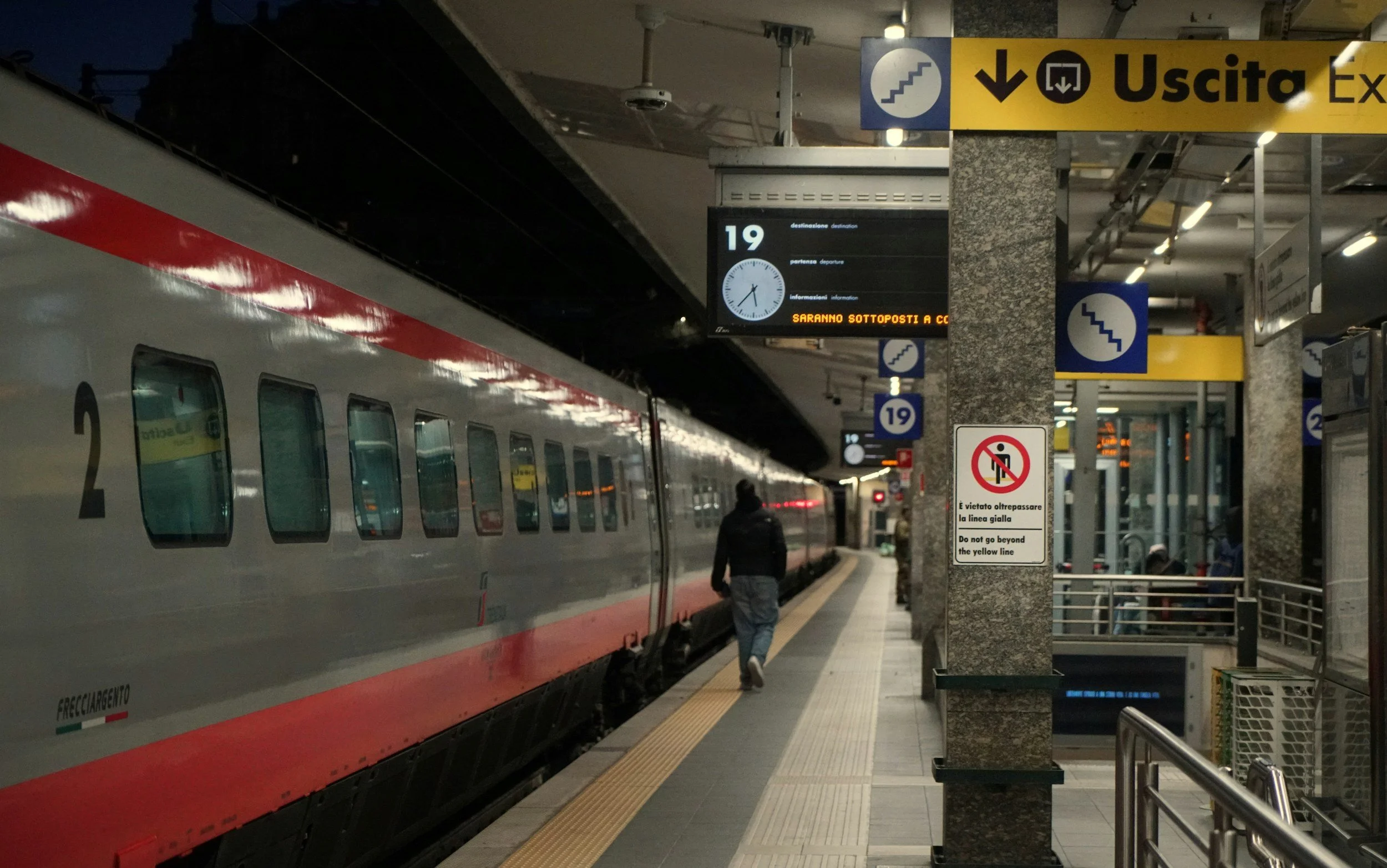
As I left the villa and made my way to the train station, I took a small, unnecessary detour through Pisa — a choice that created quite a mess, though that story belongs elsewhere.
Ten years after that first trip, I returned to Rome—not as a wandering student, but as a doctoral candidate invited to lecture at the university’s sociology department. After the lecture, I walked toward the Colosseum. Across the street, in a small park, I sat on a bench facing the ancient arena. I pulled out my book — the final chapters of the Neapolitan Novels — and finished the fourth volume in its shadow.
As I closed the book, I thought of her. I hadn’t kept in touch; I had no idea what became of her life. But as I sat there, I allowed myself to imagine her—perhaps a year later, or three—finally finding a way. Maybe she woke up one morning, remembered our conversation, and decided that for one single day, the world could bend just enough. Maybe she boarded a train to Rome, stepped out into the sun, and saw the Colosseum with her own eyes.
I will never know. But I like to think that somewhere, in the architecture of her life, a small door opened. And she walked through it.