

Seeing the Game Differently: Lessons from Women’s Basketball
My interest in the inner world of sport began long before I ever thought of working with athletes.
It began with basketball.
For many years, the court was one of the most reliable places in my life. A place I could go alone, take a ball, shoot, move, think, and let feelings pass through the body before I had any clear language for them. The court was always there. The lines, the hoop, the sound of the ball, the smell of school gyms, the strange excitement before a game — all of it had a kind of stability.
Basketball was not only a sport for me.
It was a home.
Years later, during my master’s thesis at the University of Milano-Bicocca, I returned to that world through research. I wanted to look at basketball through a sociological lens, especially through the everyday, embodied, and material details of the game. Not only tactics, statistics, or results, but the deeper structures through which players relate to one another: the ball, the pass, the shot, the court, the bench, the lines, the places people occupy, and the meanings those things carry.
These objects were not neutral.
A pass could become an act of confidence.
A shot could become a claim to responsibility.
A hesitation could reveal hierarchy.
A place on the court could say something about identity.
What interested me was how players “do” basketball in the sociological sense: how they create order, trust, status, belonging, and legitimacy through the physical language of the game.
Finding the Right Court
I did not arrive at women’s basketball through a grand plan.
At first, I was looking for a basketball club that would allow me real ethnographic access. Not only interviews from a distance, but time close to the everyday life of the team — practices, the bench, the routines, and, where possible, the more private spaces around the game. Several clubs were understandably hesitant. My list of requests was unusual.
The club I eventually worked with was the one that agreed to let me come close enough to see basketball from the inside.
Only later did I realize that this was not my first emotional connection to women’s basketball.
Toward the end of my high school years, a women’s club had already been part of my basketball life. I used to go almost every week to watch the professional team play. I loved those games. A few times, the younger girls’ team even invited me to practice with them, so they could work against a taller player. Once, during halftime of a professional game, I was invited to take part in a three-point contest.
I won.
These were small memories, but they mattered. When I later entered another women’s basketball club as a researcher, I already knew the atmosphere. I knew the gym, the waiting, the seriousness, the community around the game.
Inside Two Teams
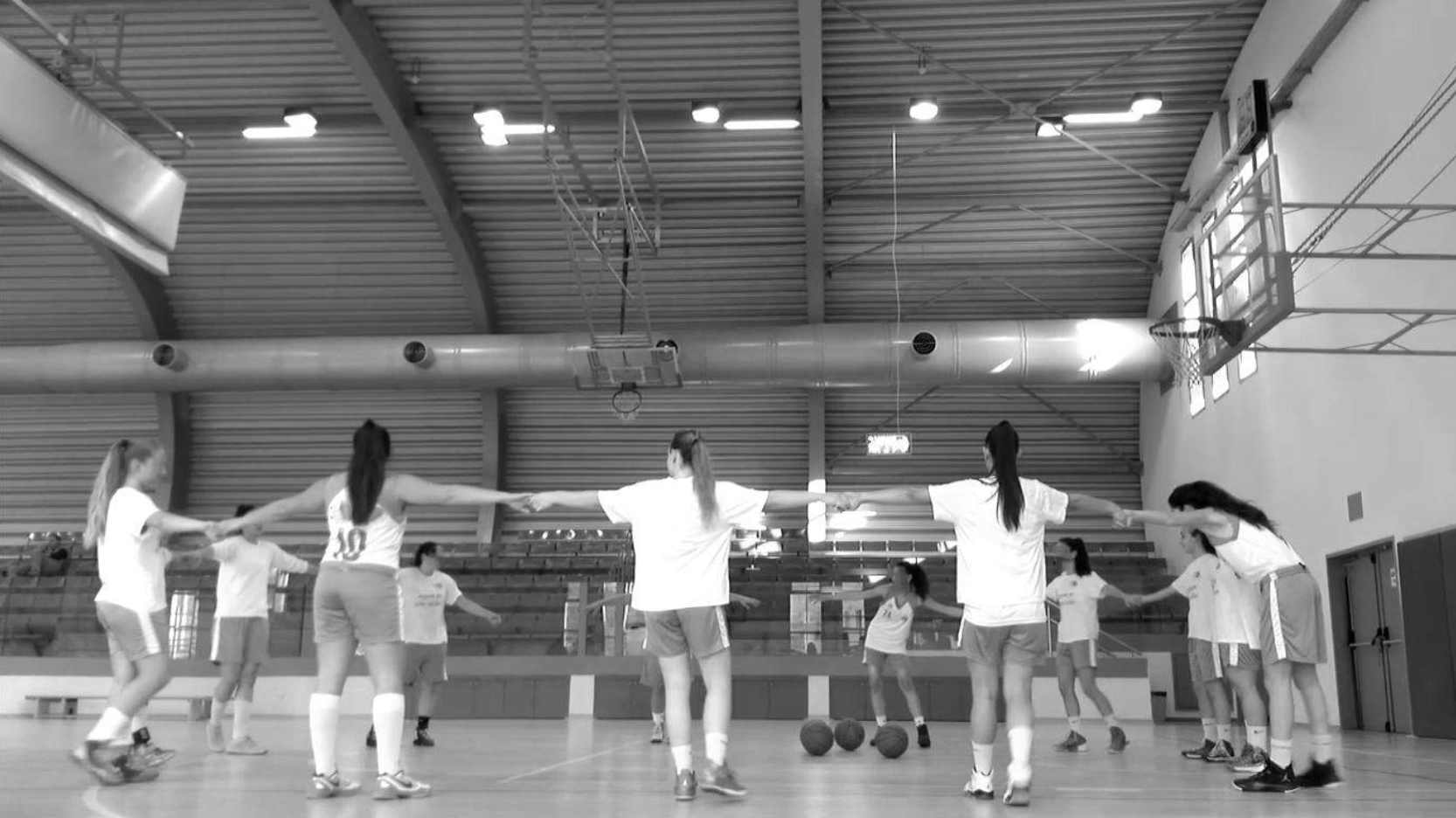
The research brought me into the daily life of two teams.
One was the senior professional team, playing in the top league. These were adult players, already living basketball not only as joy or aspiration, but as work: with money, contracts, pressure, politics, roles, and the complexity that comes when a game becomes a profession.
The other was a youth team, made up of girls roughly between the ages of fourteen and eighteen. Their basketball was still more innocent in some ways, but also more complicated in others. Adolescence brings its own pressures: friendship, identity, school, belonging, body, confidence, and the question of whether basketball might become a future or remain a beloved part of life.
I wanted to understand both worlds.
How do adult players, already inside the professional game, make sense of basketball?
And how do younger players, still forming themselves, their bodies, their identities, and their place in the team, live the game from within?
With the senior team, I was welcomed warmly. The coach received me with openness, and very early on I was not only observing from the side. Because the team was sometimes missing a player in practice, I was invited onto the court. My height became useful. I could help them prepare for situations against a taller player or a center. I was still a researcher, but I was also, in small ways, part of the practice environment, that’s ethnography right there.
With the youth team, the beginning was more gradual.
It took time to find my place there. This was understandable. A youth team is not only a training environment; it is also a delicate social space, with its own intimacy, tensions, language, discipline, humour, and trust. At first, I observed from more of a distance. Only later was I allowed closer, eventually sitting on the bench and becoming a more familiar presence around the team.
That slow process mattered.
It taught me that research inside sport is never only about access. It is about trust. You do not simply enter a team and understand it. You are gradually allowed to see more: the routines, the pressure, the affection, the fear, the small rituals, and the fragile ways young players try to become themselves inside the game.
The Ball Is Never Just the Ball
Over time, I began to see more clearly how the material elements of the game carried social meaning.
A pass was never only a pass.
The kind of pass mattered. A firm chest pass could say: I trust you, I see you, I expect you to act. A slower bounce pass might carry more hesitation, more caution, less certainty. Of course, sometimes a pass is just a technical choice. But inside a team, repeated patterns begin to speak.
Who receives the ball easily?
Who receives it only when no better option remains?
Who is allowed to take a shot?
From where?
How often?
Who feels free to risk a mistake?
Who plays as if every action must first ask permission from the invisible hierarchy of the group?
These were not abstract questions. They appeared in the rhythm of practices and games. The ball became a form of social capital. So did minutes, shots, positions, and the freedom to make decisions under pressure.
This was one of the central findings of my thesis: players used the material elements of basketball — the ball, the shot, the pass, the court — to construct their place within the team’s internal hierarchy.
The game was not only played through bodies.
It was also played through relationships.
What Women’s Basketball Helped Me See
The gendered dimension of the research stayed with me too.
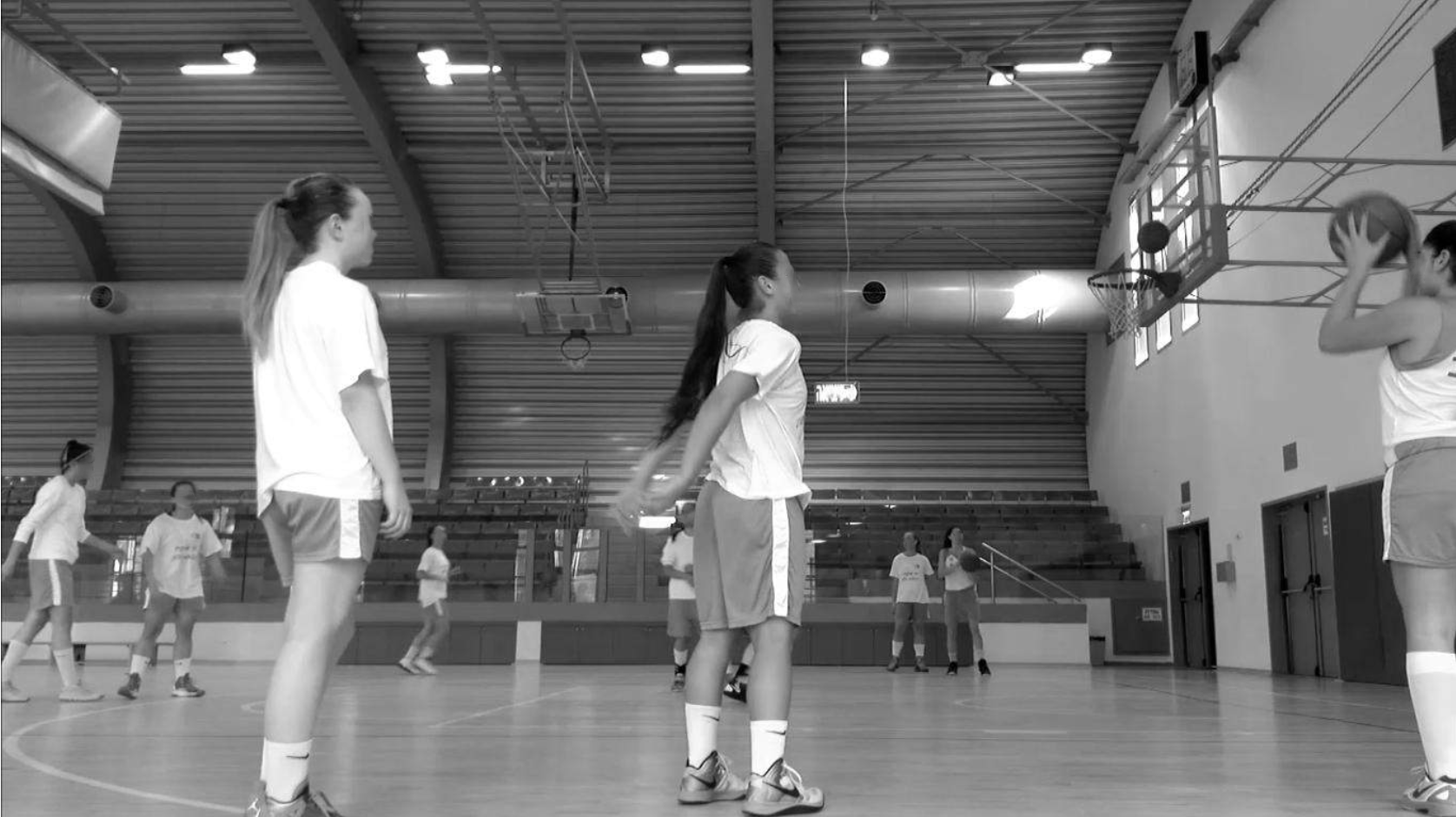
Women’s basketball, at least in the context I studied, helped me see the intelligence of the game more clearly. Not because it was less intense, less competitive, or less serious. It was all of those things. But because, especially outside the most physically dominant leagues, the game often revealed basketball’s relational and tactical qualities with unusual clarity.
Spacing.
Timing.
Reading the defense.
Collective movement.
Communication.
Decision-making under pressure.
At a time when men’s professional basketball was often discussed through the language of height, explosiveness, and spectacle, the women’s game helped me see basketball differently.
Not as a lesser version of the game.
Not as a softer version.
But as a version where the collective intelligence of basketball was especially visible.
And yet, despite this sophistication, women’s basketball struggled to receive the cultural recognition it deserved. Not because the game lacked quality, but because society has often struggled to see women as competitive, aggressive, authoritative, tactically brilliant, and fully legitimate in sporting contexts.
The excellence was there.
The recognition was not always there with it.
Much has changed since then. Women’s sport has grown dramatically in visibility, support, and cultural power across basketball, football, tennis, and many other fields.
But one phenomenon from that youth team has stayed with me more than anything else.
When One Mistake Changes the Atmosphere
My research questions were sociological. I was interested in hierarchy, legitimacy, trust, status, and the material language of basketball.
But the longer I stayed with the team, the more I also began to care about the players themselves.
Not as “cases,” and not as psychological subjects, but as young people trying to carry pressure, expectation, identity, school, friendship, adolescence, and the love of the game all at once.
So when a player collapsed inward after a mistake, it did not interest me only as a social phenomenon.
It moved me.
I wanted her to recover. I wanted her to know that one bad pass was not the whole story. I wanted her to stay in the game.
The team could begin a game brilliantly.
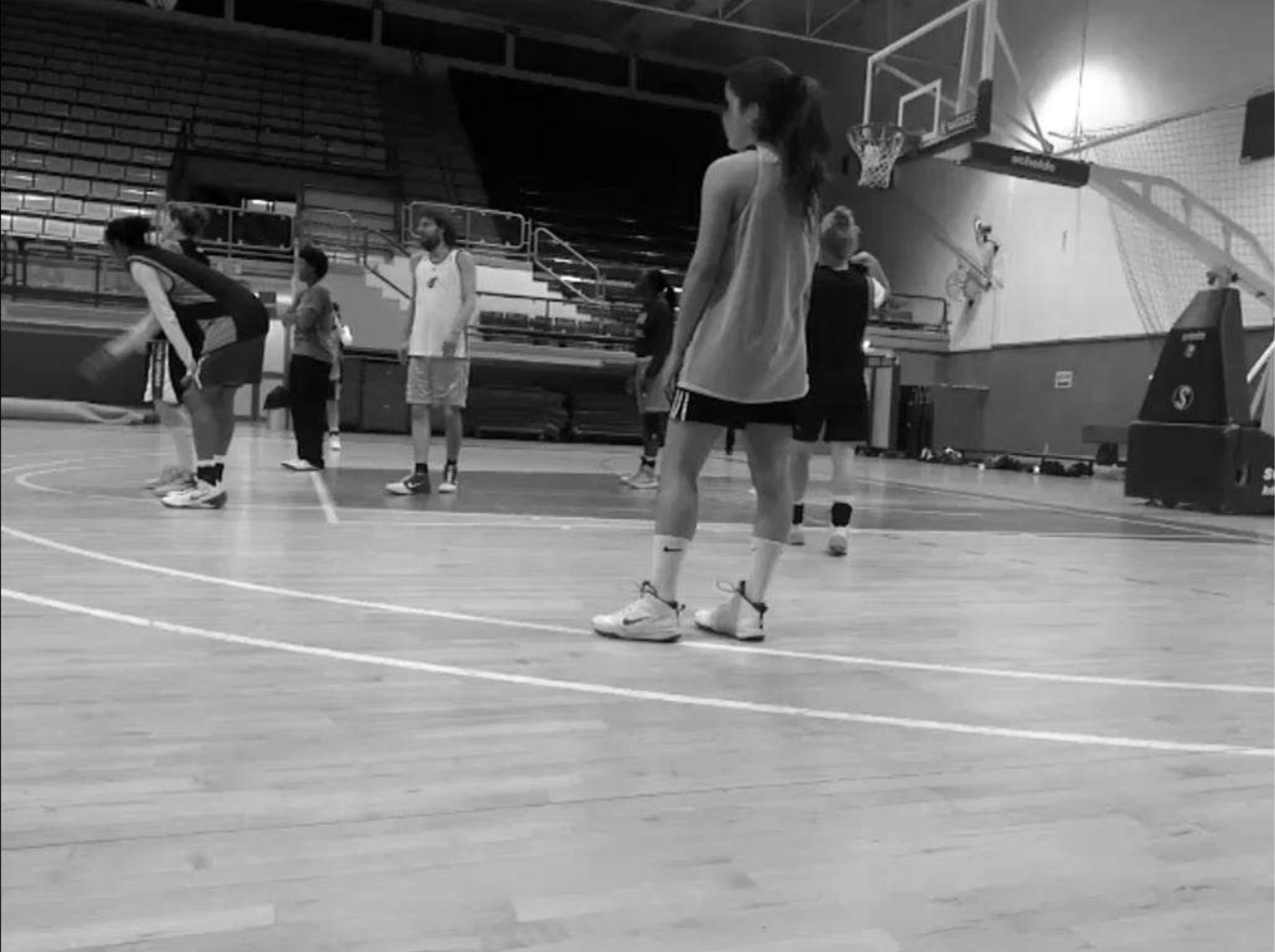
Then a single mistake — a missed pass, a rushed shot, a defensive lapse — could change the emotional atmosphere almost immediately.
Sometimes it happened through one key player. A mistake appeared, and then the body changed.
Shoulders dropped.
Eyes narrowed.
Movement became smaller.
Creativity disappeared.
Self-criticism entered the court before anyone had named it.
And then the emotional tone began to spread.
Offense froze.
Defense softened.
The group became cautious.
The coach watched as something invisible moved through the team in real time.
One of the players once described this gap painfully well: the feeling that the coach saw was only the part of her that collapsed when things went wrong, and not the deeper truth — that basketball mattered to her, that she loved it, that she wanted to play.
Part of her knew there was truth in the criticism. If something did not work, she needed to take the ball again. She needed to stay in the game.
But another part of her was asking to be seen more fully.
Not as “the girl who gives up.”
Not as “the problem.”
As a player who loved basketball and was struggling inside the pressure of being seen, judged, and defined.
At the time, I could describe some of this sociologically: emotions circulating through a group, identity shaping performance, hierarchy influencing who feels free and who feels exposed.
But something else happened to me personally.
Inside those school gyms, watching those moments unfold, I began returning to my own youth as a basketball player.
The smell of the hall.
The excitement before a game.
The special feeling of waiting for tip-off.
The away games, the bus rides, the conversations, the thoughts that came before and after playing.
Even the route to my own court when I was a child returned to me — the particular path, the anticipation, the sense that something important was waiting there.
I remembered how festive it could feel, simply to have a game.
And I remembered how much I missed it.
The emotional world of sport suddenly felt very familiar.
The Human Mind Under Pressure
Today I remember those basketball players every time I see professional tennis.
We have all seen elite tennis players — some of the best in the world — men or women Athletes lose their composure in front of thousands of spectators. They shout at themselves, smash rackets, argue, freeze, recover, collapse again, and somehow continue.
We usually recognize this for what it is: the human mind under pressure.
Not a gendered weakness.
Not lack of talent.
Pressure.
Sport makes the mind visible.
A thought can enter the body.
A mistake can become a story.
A story can become an identity.
An identity can change the next action.
At the time of my research, I could describe the social dynamics around these moments. But I did not yet have the language I use today to understand the inner mechanism.
Today, through ACT, that mechanism is much clearer.
Returning to the Next Play
ACT helps explain how athletes become entangled in their own thoughts.
A single moment of self-judgment can become more than a thought. It can become a command, an identity, a threat, or a story:
I always fail in these moments.
The coach will stop trusting me.
Everyone saw that.
I am not good enough.
When this happens, “just move on” is rarely useful. The nervous system may already be activated. The mind may already be fused with the mistake. The athlete may be physically present, but psychologically still trapped in the previous play.
ACT offers another route.
Not forcing confidence.
Not pretending the mistake did not happen.
Not demanding instant calm.
But learning to notice the thought, return attention to the present moment, reconnect with values, and take the next action available.
In sport, this can mean noticing difficult thoughts without being dominated by them.
Returning to the body after mistakes.
Reconnecting to the game plan or team values under pressure.
Responding to self-criticism with more flexibility.
Building psychological flexibility rather than a narrow idea of “mental toughness.”
And perhaps most importantly, rediscovering joy and meaning inside performance.
Because athletes rarely begin sport because they want to manage pressure.
They begin because something in the game calls them.
The ball.
The court.
The movement.
The teammates.
The feeling of improving.
The simple, unreasonable love of playing.
Pressure can bury that love under expectation, fear, comparison, hierarchy, and the constant demand to prove oneself. Good coaching, in the deepest sense, should not only help athletes perform. It should help them stay connected to the reason the game mattered in the first place.
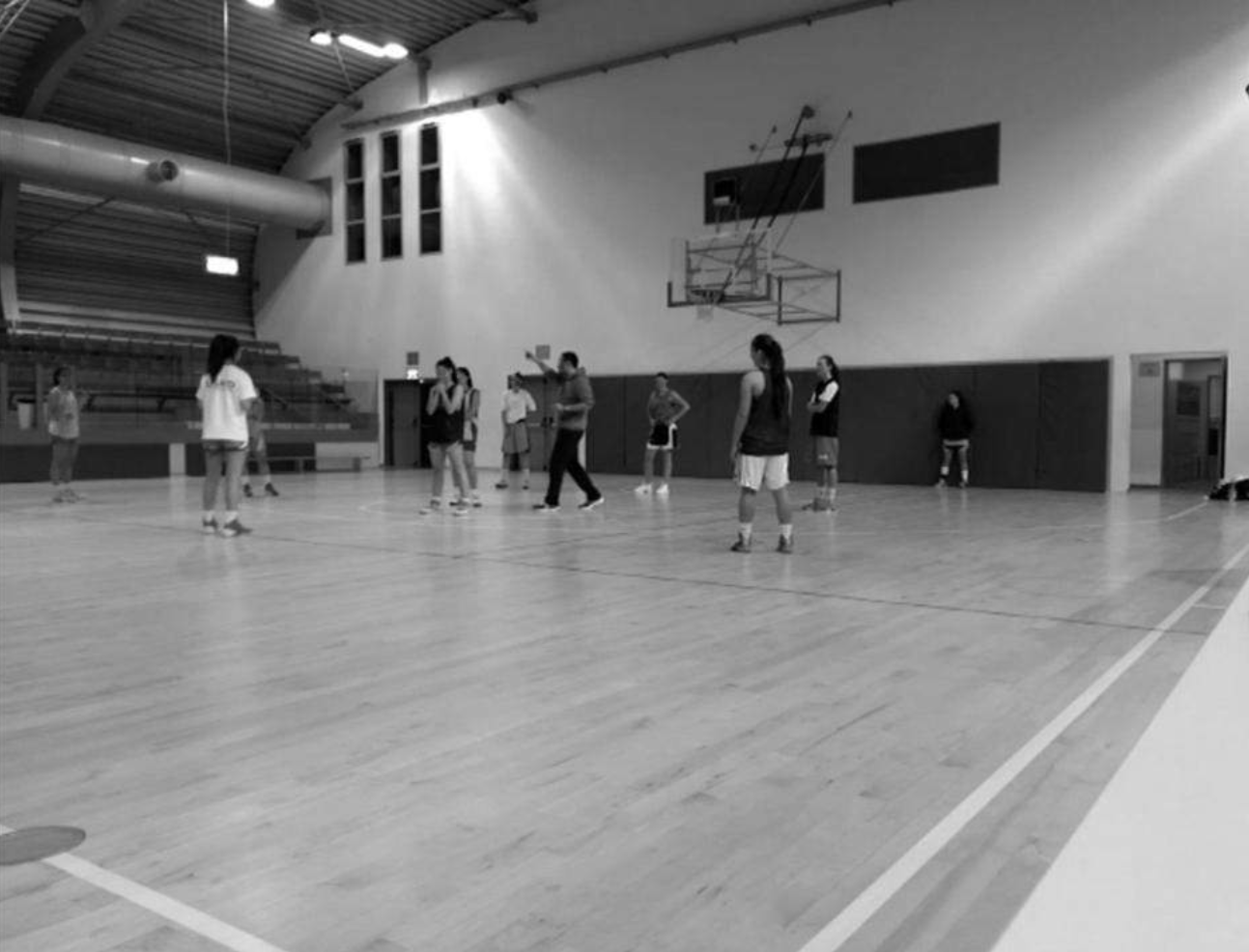
The game changes when athletes learn to return to the next play.
But something even deeper changes when they remember why they want to be in the game at all.
What Basketball Taught Me
Looking back, that research did more than teach me about basketball.
It brought me back to my own adolescence, to the sport that shaped me, and allowed me to close a chapter with clarity and gratitude.
It also helped me understand something I had felt in my own body long before I could explain it. The court had always been a place where emotion could move. When I was young, going to shoot alone was one of my ways of processing feelings and letting thoughts run. The court could hold them. The ball could carry them. The movement could change them.
That is part of why basketball remains close to my heart — not only as a game, but as a window into human experience.
What I learned from those teams is simple but profound:
Performance is never just physical.
It is emotional.
Social.
Cognitive.
Relational.
Deeply human.
And when athletes learn to work more skillfully with their inner world, the way they move through the game can begin to change.
Not because pressure disappears.
Not because mistakes stop happening.
But because the athlete becomes more able to return.
To the body.
To the team.
To the next play.
And to the love of the game itself.
